
Industry News
New 7-Zip Vulnerability Could Let Crafted XZ Archives Run Code During Extraction
Opening a crafted XZ archive in 7-Zip could let an attacker run code on the machine. The flaw, CVE-2026-14266, is a heap-based buffer overflow in

Opening a crafted XZ archive in 7-Zip could let an attacker run code on the machine. The flaw, CVE-2026-14266, is a heap-based buffer overflow in

Cybersecurity researchers have flagged a new software supply chain attack codenamed SleeperGem targeting the Ruby ecosystem after three malicious gems were published to RubyGems with

In an ironic twist, open-source artificial intelligence (AI) platform Hugging Face revealed that it was the victim of a hack perpetrated by an autonomous AI
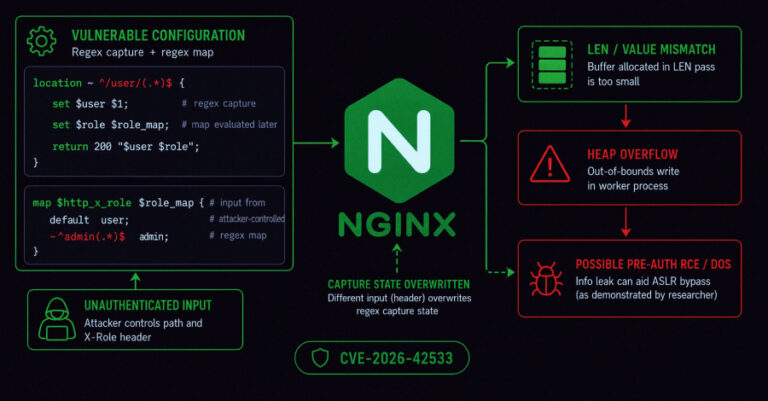
F5 has shipped fixes for a critical nginx flaw that lets a remote, unauthenticated attacker trigger a heap buffer overflow in the worker process with
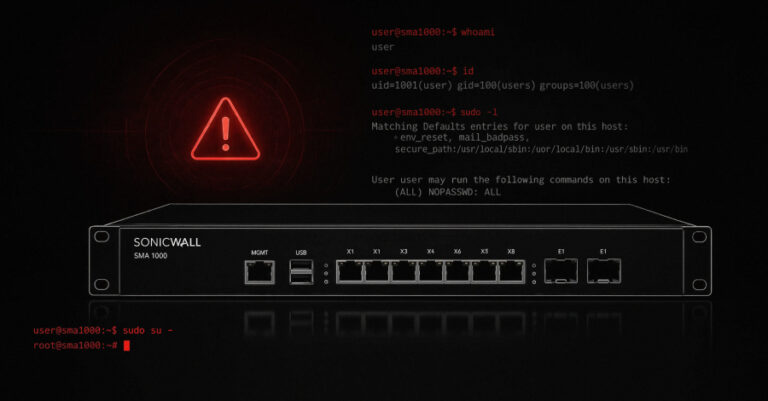
A previously undocumented threat actor has been attributed to the exploitation of recently disclosed SonicWall Secure Mobile Access (SMA) 1000 series VPN appliances as zero-days
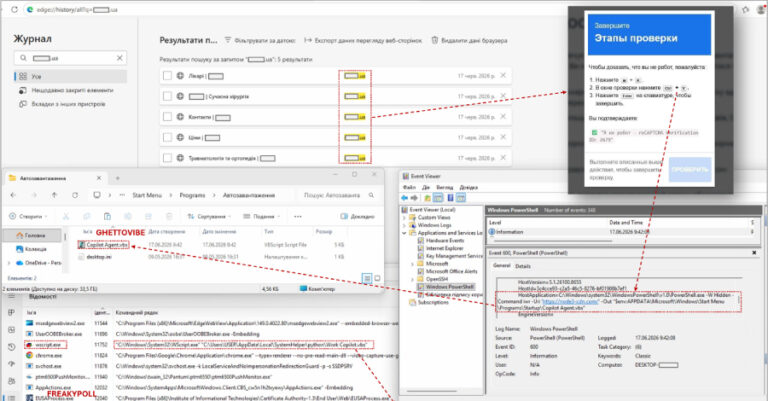
Russian state-sponsored threat actors have been observed leveraging the infamous ClickFix strategy to trick Ukrainian targets into infecting their own machines with data-stealing malware. According

An anonymous HTTP request can run code on a WordPress site. The bug is in core, so a bare install with zero plugins is exploitable.
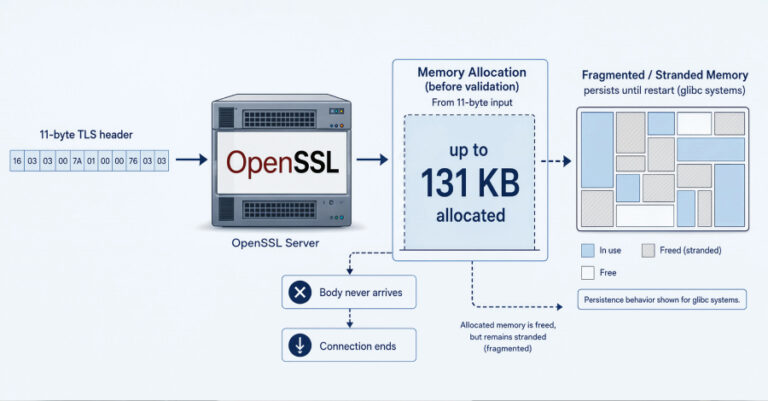
Eleven bytes will make an unpatched OpenSSL server set aside up to 131 KB of memory for a message that never arrives. On the glibc

Cybersecurity researchers have discovered a cluster of seven malicious npm packages targeting the Vite frontend tooling ecosystem as part of a software supply chain attack.

Cybersecurity researchers have attributed the April 2026 DigiCert security incident to a threat activity cluster dubbed CylindricalCanine. Expel, which shared technical details of the event,