⚡ Weekly Recap: Proxy Botnets, Browser Ransomware, AI Agent Tricks, Fake PoC Malware and More
A streaming box should not need a threat model. Neither should a username field, a demo repo, a reset flow, or a browser permission prompt.

A streaming box should not need a threat model. Neither should a username field, a demo repo, a reset flow, or a browser permission prompt.
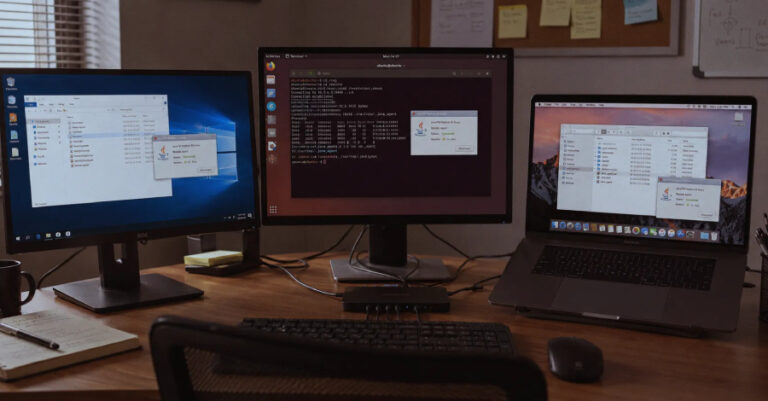
Cybersecurity researchers have flagged a novel Java-based remote access trojan (RAT) called QuimaRAT that’s capable of targeting Windows, Linux, and macOS environments. According to LevelBlue,

Researchers at Shandong University have shown a fast new way to pull data off computers that are cut off from every network. The technique, called TrojPix, tweaks on-screen

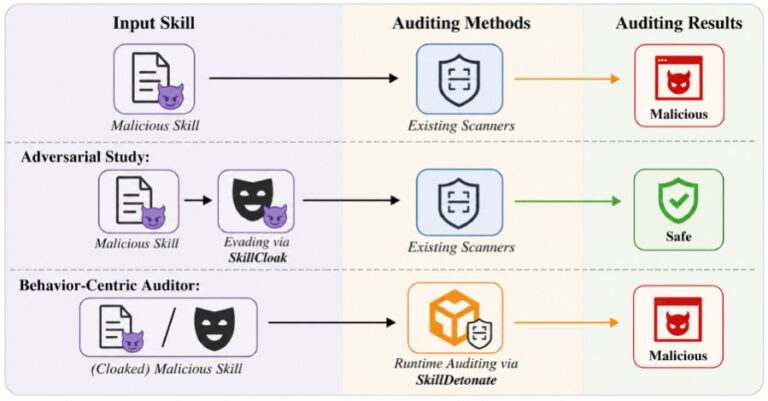
Scanners meant to catch malicious add-on “skills” for AI coding agents can be fooled by a few simple changes that leave the malware working, according

Researchers found a flaw in Opera GX, the gaming-focused version of the Opera browser, that let a malicious website silently install a browser add-on and use

A U.S. government entity paid about $1 million to keep stolen files from being leaked, according to a new case study by Rakesh Krishnan for Ransom-ISAC,

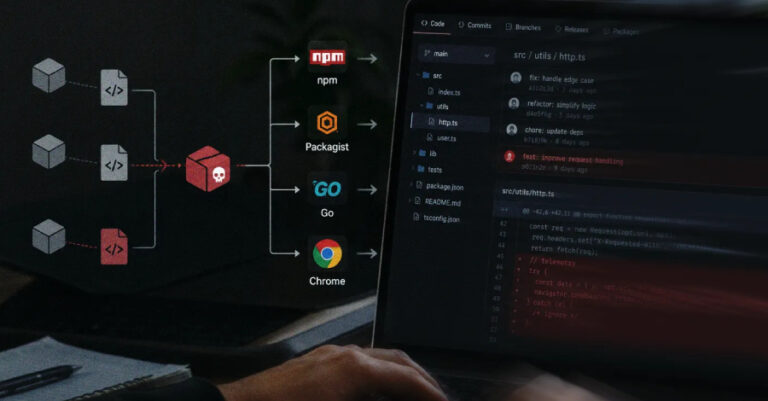
The North Korean threat actors linked to the Contagious Interview campaign have been observed publishing 108 unique packages and web browser extensions spanning npm, Packagist,

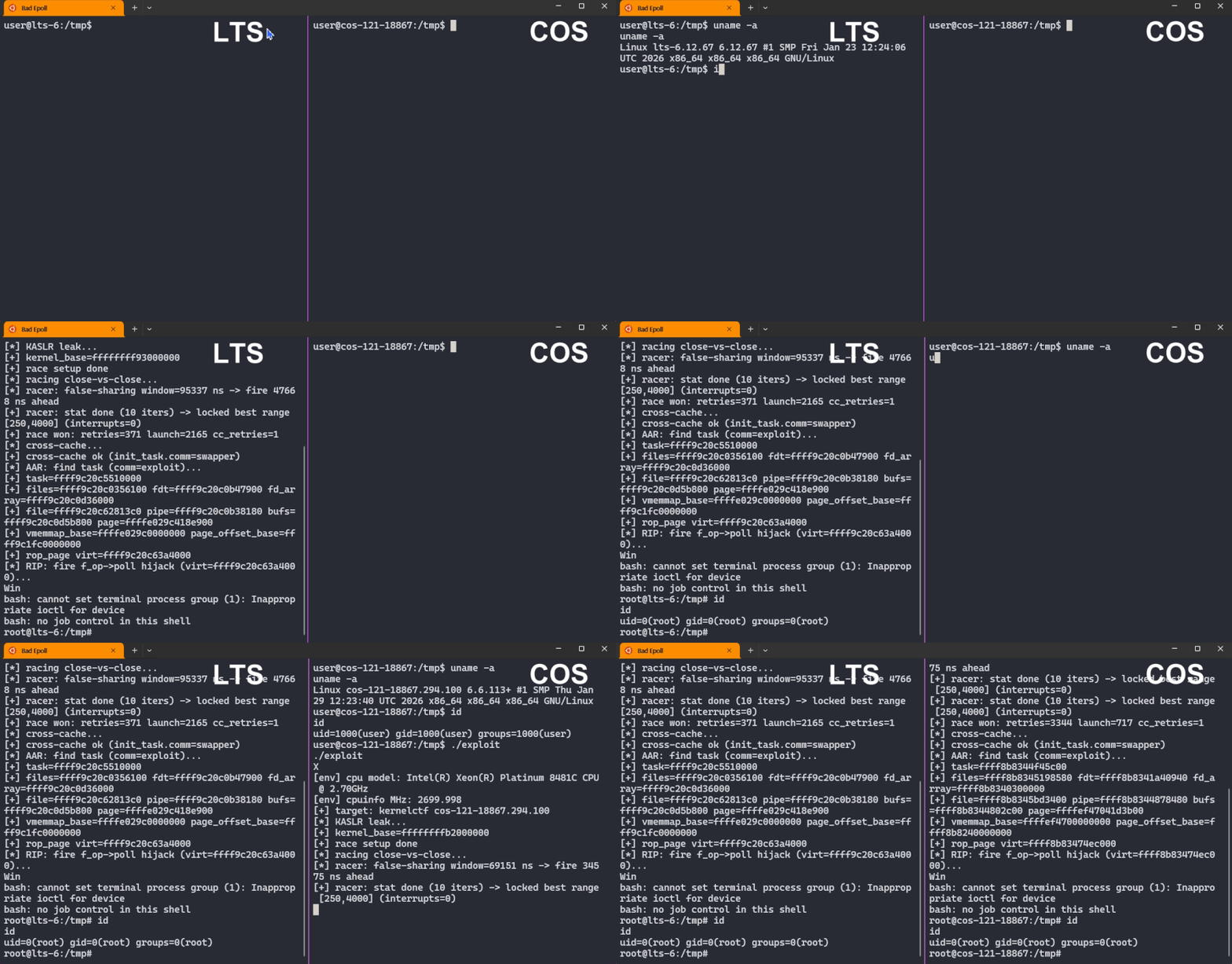
A newly disclosed Linux kernel flaw called Bad Epoll (CVE-2026-46242) lets an ordinary user with no special access take full control of a machine as

Security firm runZero has disclosed seven vulnerabilities in FatFs, a small filesystem library that lets a device read and write the FAT and exFAT formats used on USB

Cybersecurity researchers have discovered a previously undocumented modular malware framework codenamed Avalon that’s distributed by means of a multi-stage phishing chain capable of bypassing traditional